The Marketplace Maze

Background & context
Marketplace customers behave differently to traditional D2C customers. Delivery promises are trusted more than brand familiarity. Consistency matters more than storytelling. Platforms measure success through operational performance before they consider anything else. Each marketplace enforces this in its own way. Amazon prioritises precision, cut-off discipline and service metrics. TikTok introduces extreme volatility driven by creators and trends. eBay operates with its own expectations around grading, presentation and secondary market routing. From an operational perspective, these are not simply additional sales channels. They are distinct fulfilment models with different rules, penalties and commercial consequences. Treating them as interchangeable almost always leads to friction. As brands layer marketplaces onto existing ecommerce operations, complexity compounds. Inventory visibility becomes harder to maintain. Cost predictability erodes. Teams spend more time reacting than planning. What initially feels like growth begins to introduce strain.
The Issue
The most common marketplace failure occurs when brands attempt to run all platforms through a single, generic workflow. A model that works for D2C often struggles under Amazon’s precision requirements. Processes designed for stability break under TikTok’s creator-driven surges. Outlet or refurbished stock routed through eBay creates contamination risk when mixed with full-price inventory. Each compromise introduces cost, risk or service degradation. Amazon highlights this tension most clearly. Fulfilment by Amazon offers speed and instant Prime eligibility, but introduces rigidity. Storage fees rise, long-term inventory penalties increase, and control over packaging, inserts and bundling is lost. Inventory becomes fragmented across networks, reducing agility elsewhere. Seller Fulfilled Prime offers an alternative, but demands near-perfect daily performance. Cut-offs are non-negotiable. Accuracy must be absolute. Any operational weakness is exposed quickly. TikTok amplifies the challenge further. Forecasting becomes less relevant when demand can spike and disappear within hours. Operations built around steady flows struggle to respond without creating errors or backlogs. Most marketplace problems are not commercial. They are operational mismatches between platform expectation and fulfilment capability.
The Solution
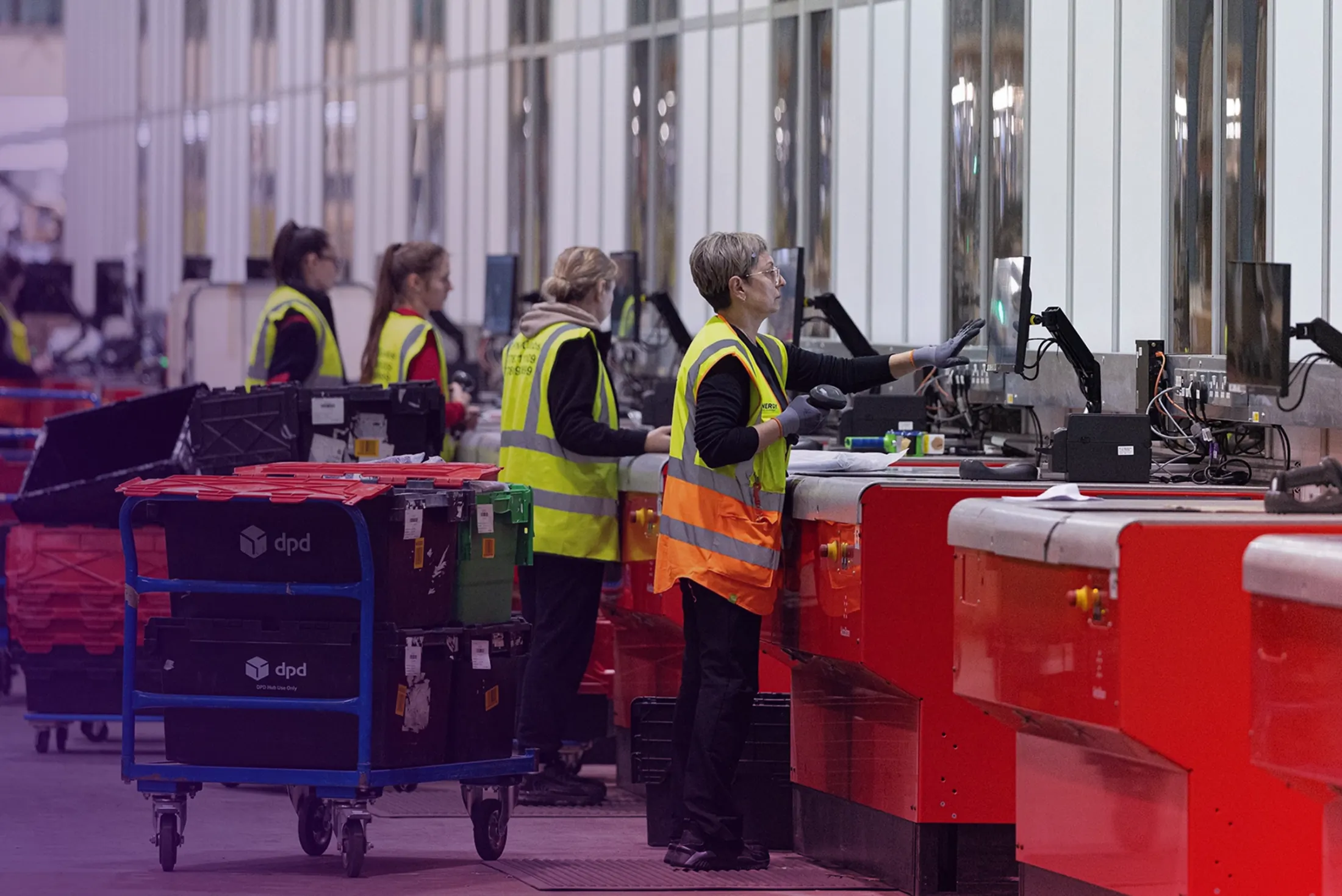
Marketplace-ready fulfilment starts with accepting that different platforms require different operational logic, even when they draw from the same stock pool. A mature approach is built around centralised inventory with channel-specific routing rules. Stock remains unified and visible, but orders are handled according to the performance requirements of each platform. This avoids fragmentation while preserving control. Seller Fulfilled Prime becomes viable when accuracy, cut-off discipline and daily governance are embedded into the operation. In return, brands retain control over packaging, unboxing, inserts and bundling, while avoiding the long-term storage costs and rigidity of FBA. Virtual kitting plays a critical role here. Under SFP, bundles can be assembled at the point of pick rather than pre-built. Inventory remains flexible across all channels until the moment it sells. Promotional agility improves, storage costs reduce and capital is not tied up in speculative kits. TikTok success relies on responsiveness rather than prediction. Operations must be able to release orders quickly, prioritise surges intelligently and maintain accuracy under pressure. This requires clean inventory visibility, disciplined order release and the ability to flex without losing control. eBay works best when treated deliberately as a secondary or recovery channel, supported by clear grading, presentation standards and routing logic. When integrated properly, it becomes part of a circular marketplace strategy rather than an operational afterthought.
Benefits & Outcomes
When marketplace operations are designed deliberately, complexity becomes manageable rather than overwhelming. Inventory remains healthier because stock is not fragmented or locked into inflexible workflows. Cost becomes more predictable because fulfilment charges are incurred when products sell, not when inventory is pre-built or stored unnecessarily. Promotional agility improves without increasing operational risk. Service levels stabilise across platforms. Amazon performance becomes sustainable rather than stressful. TikTok surges are absorbed without chaos. Outlet and refurbished channels operate cleanly without contaminating full-price flows. Perhaps most importantly, teams regain confidence. Instead of firefighting across channels, they operate within clear rules. Marketplaces stop dictating behaviour reactively and become structured parts of a broader growth strategy.

Conclusion
Marketplaces are powerful growth engines, but they are unforgiving of operational weakness. They reward precision, consistency and discipline long before they reward brand or creativity. Brands that scale marketplaces successfully do not treat them as interchangeable channels. They design fulfilment models that respect each platform’s demands while protecting inventory health, cost control and customer experience. Marketplace readiness is not about warehouse size or speed alone. It is about operational sophistication. When fulfilment is built to absorb volatility without breaking, marketplaces become an advantage rather than a risk — quietly supporting growth, without pulling the operation apart.
Other white papers

The Future of Returns

The Customs Bonding Advantage