The Future of Returns
Background & context
Outbound fulfilment is designed to be predictable. Processes are defined, automated and optimised for flow. Returns are the opposite. They arrive inconsistently, in varying condition, with incomplete information and unpredictable volumes. That unpredictability is precisely why returns reveal so much about an operation. Packaging quality, product durability, carrier performance, data accuracy and internal discipline all surface quickly once goods start coming back. For the customer, the returns journey often determines whether trust is reinforced or broken. A smooth, transparent process builds confidence and repeat purchase. A slow or confusing one undermines the entire brand experience, regardless of how good the outbound journey was. As brands scale, returns volumes almost inevitably increase. Treating them as an exception rather than a core flow becomes increasingly expensive.
The Issue
Many fulfilment models are still built around minimising returns rather than managing them well. In practice, this leads to bottlenecks. Returned stock sits unsorted. Labour is consumed by manual inspection without clear grading standards. Inventory becomes contaminated as returned items mix with new stock. Refunds slow down. Customer service absorbs the fallout. Financially, the impact is significant. Products that could be resold, refurbished or routed into alternative channels are written off prematurely. Duty and tax are often paid on items that never generate revenue. Sustainability commitments are undermined by unnecessary waste. The longer returns are treated as a nuisance rather than a designed process, the more margin quietly disappears.
The Solution
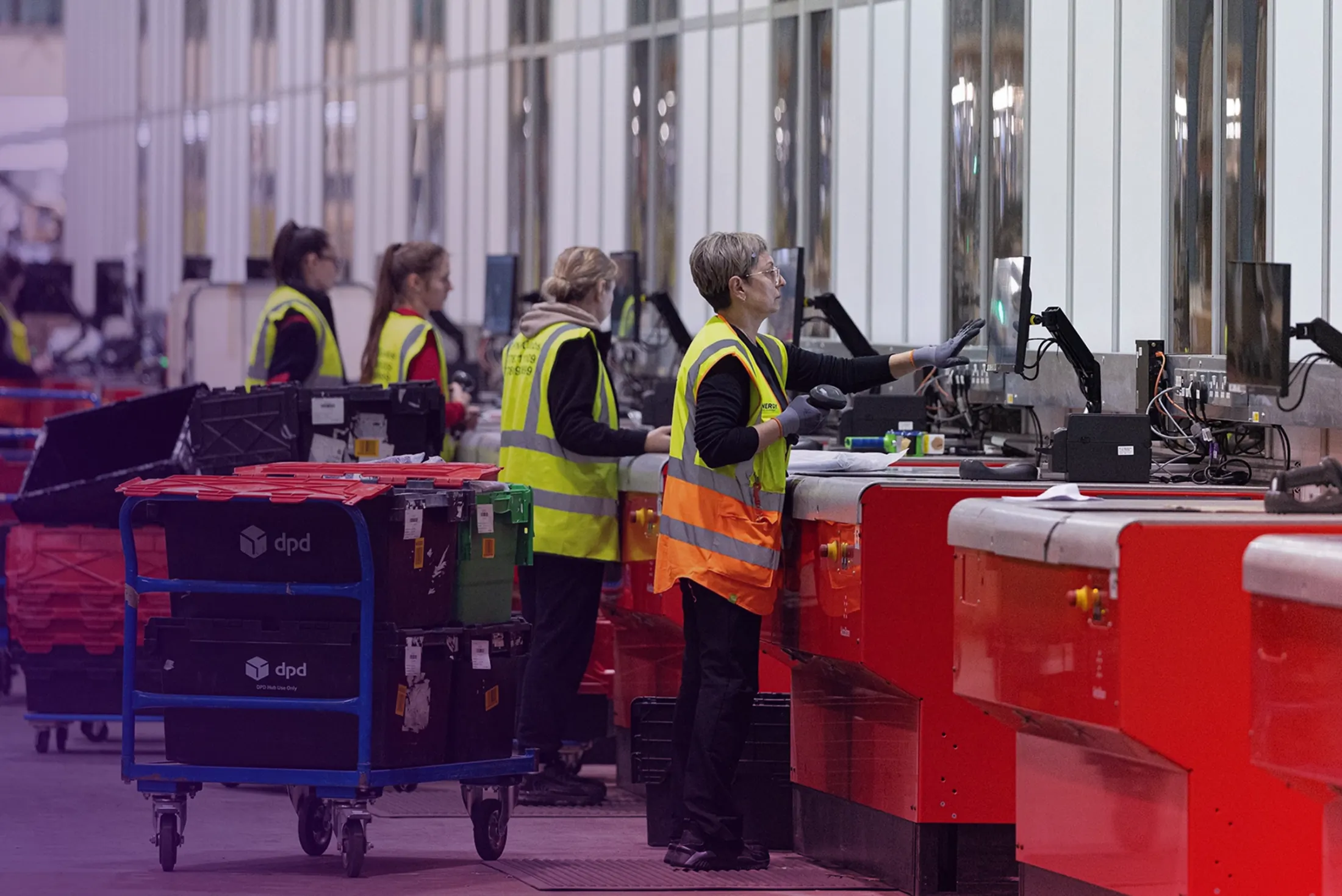
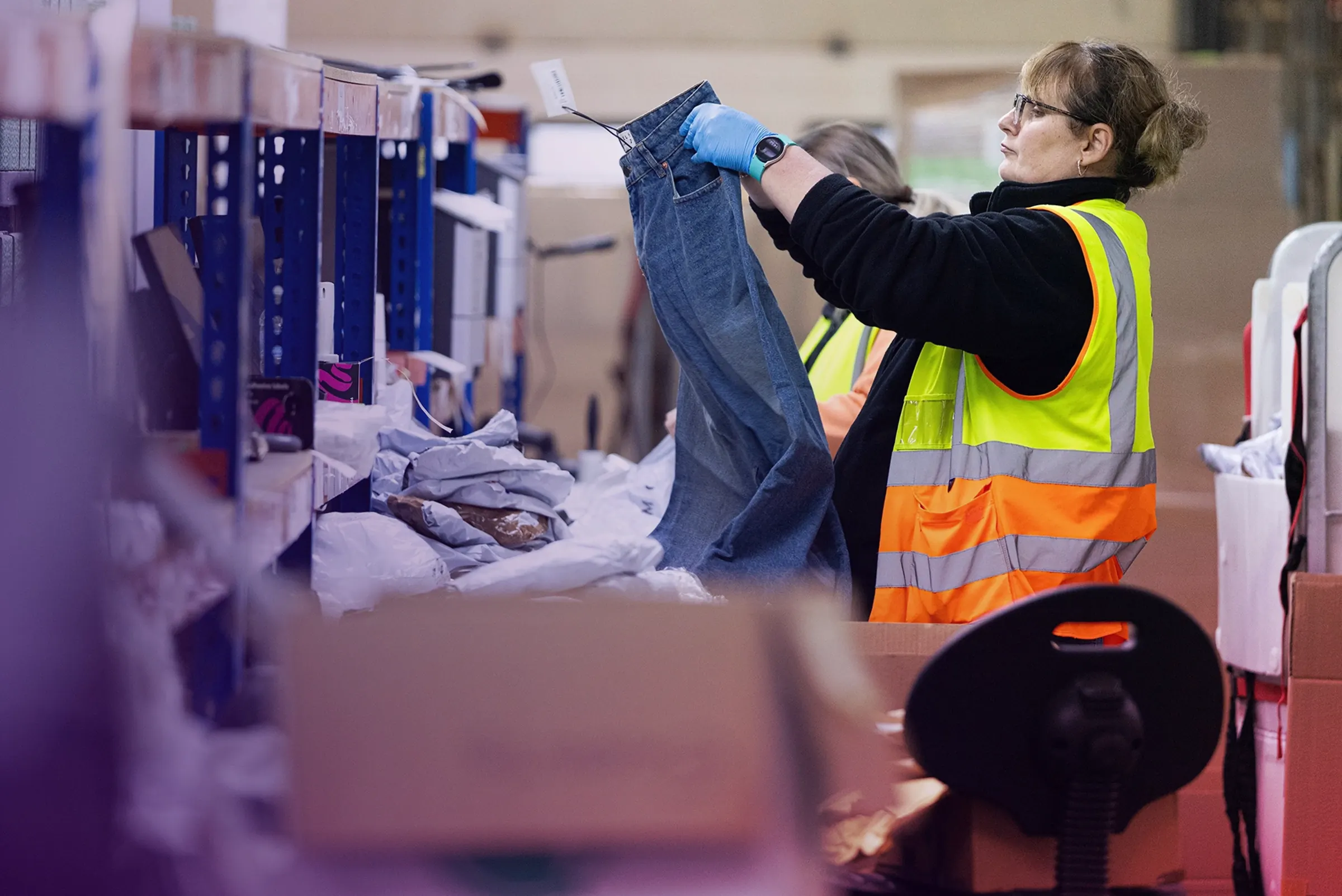
The shift comes from treating returns as a structured operational flow rather than an afterthought. Effective returns management starts with clear triage. Items are inspected, graded and routed quickly according to defined rules. High-quality returns move back into saleable stock. Items requiring minor work enter controlled refurb or repair pathways. Stock unsuitable for resale is routed cleanly into outlet, secondary marketplaces or compliant waste streams. Refurbishment is no longer limited to electronics. Apparel, footwear, wellness devices and homeware increasingly benefit from light rework, cosmetic fixes or repackaging. When supported by trained teams, clear SOPs and quality control, refurb protects value that would otherwise be lost. Smart routing is the multiplier. Decisions about where returned stock should go are made early, based on data rather than convenience. High-value items are prioritised. International resale avoids unnecessary tax exposure. Outlet and recommerce channels operate without contaminating full-price inventory. When combined with bonded warehousing, returns that never enter free circulation avoid unnecessary duty and VAT altogether, adding another layer of margin protection.
Benefits & Outcomes
Structured returns management changes both the economics and the perception of reverse logistics. Margin improves as more returned stock is recovered rather than written off. Refunds are processed faster, reducing customer service pressure and improving trust. Inventory health improves because stock is routed deliberately rather than accumulating unsorted. Operationally, warehouses feel calmer. Returns no longer disrupt outbound flows. Teams work to defined standards rather than improvising. Data captured at return feeds back into product, packaging and supplier decisions upstream. Sustainability outcomes improve as fewer products are discarded unnecessarily. Refurb, resale and circular channels become part of a credible environmental strategy rather than a marketing claim.
Conclusion
Returns are no longer a problem to minimise. They are a reality to design for. Brands that continue to treat returns as a back-end inconvenience will see margin erode and customer trust weaken. Those that invest in structure, refurbishment capability and intelligent routing turn returns into a source of value recovery and operational insight. Handled properly, returns stop being a drain on the business. They become part of a mature fulfilment model that protects margin, supports sustainability and strengthens customer experience. Quietly, but materially, improving how the business performs.
Other white papers
The Marketplace Maze
The Customs Bonding Advantage